
How to Protect Car Cooling Systems in Las Vegas
November 4, 2026

Car cooling systems regulate engine temperature by circulating coolant through the engine, radiator, hoses, thermostat, and water pump. In Las Vegas heat, a healthy radiator and properly maintained cooling system help prevent overheating, expensive engine damage, and roadside breakdowns. Warning signs should always receive prompt inspection.
Why are car cooling systems important?
Your engine creates intense heat every time you drive. The cooling system moves that heat away from critical components and releases it through the radiator. This keeps the engine within a safe operating range during commuting, highway driving, idling, and hot-weather traffic.
A functioning cooling system also supports fuel efficiency, smooth performance, and reliable air conditioning operation. When a cooling component fails, the engine can overheat quickly. Continuing to drive may warp the cylinder head, damage the head gasket, or cause complete engine failure.
For Las Vegas drivers, heat places additional stress on coolant, rubber hoses, electrical fans, and radiator components. Regular inspections are especially important before long trips or during the hottest months.
What parts make up a car cooling system?
The cooling system is a network of components that work together:
- Radiator: Releases heat from the coolant as air passes through its fins.
- Coolant: Transfers heat and helps protect against corrosion and freezing.
- Water pump: Circulates coolant through the engine and radiator.
- Thermostat: Controls coolant flow to maintain the correct operating temperature.
- Hoses and fans: Move coolant and air throughout the system.
A problem in one part can affect the entire system. For example, a weak water pump may reduce coolant circulation, while a stuck thermostat can cause overheating or prevent the engine from warming properly.
For broader maintenance guidance, explore our Car Care Tips and Auto Repairs resources.
What are the signs of a bad radiator or cooling system?
Common warning signs include:
- The temperature gauge reads higher than normal.
- A temperature warning light appears on the dashboard.
- Steam or smoke comes from beneath the hood.
- Green, orange, pink, or yellow fluid appears under the vehicle.
- The engine smells sweet after driving.
You may also notice reduced air conditioning performance, unusual fan noise, sluggish acceleration, or repeated coolant loss. Some leaks are small and only appear when the system is hot, so a clean driveway does not always rule out a problem.
Never remove a radiator cap while the engine is hot. Pressurized coolant can cause severe burns. Turn off the vehicle, allow it to cool completely, and arrange professional assistance if the temperature warning remains active.
How does Las Vegas heat affect a car radiator?
High desert temperatures make it harder for a radiator to release engine heat. Stop-and-go traffic, long idling periods, and heavy air conditioning use add further demand. Dust and debris can also restrict airflow through the radiator or condenser.
Heat accelerates wear on coolant hoses, belts, seals, and plastic reservoirs. Old or contaminated coolant may lose its ability to transfer heat and protect internal components. A cooling system inspection can identify restricted airflow, low coolant, leaks, fan problems, or corrosion before a breakdown occurs.
How often should you check coolant and radiator condition?
Check the coolant reservoir when the engine is cold and follow the level markings in your owner’s manual. The correct service interval depends on the vehicle, coolant type, mileage, age, and driving conditions.
A practical maintenance routine includes:
- Inspect the reservoir and visible hoses during routine vehicle checks.
- Look for stains, cracking, swelling, or damp areas around connections.
- Follow the manufacturer’s coolant replacement schedule.
- Have the system tested if coolant level repeatedly drops.
- Schedule an inspection before extended summer travel.
Do not mix coolant types unless the vehicle manufacturer specifically allows it. The wrong fluid can reduce protection or create compatibility problems. A technician can identify the correct coolant and verify the system’s condition.
Can you drive with a coolant leak?
Driving with a coolant leak is risky because the engine may overheat without much warning. A small leak can become severe when pressure and temperature increase. If the temperature gauge rises, warning light appears, or steam is visible, pull over safely and shut off the engine.
Do not pour cold water into a hot engine. Wait for the vehicle to cool and contact a repair professional. If the leak is significant or the vehicle has overheated, towing is safer than attempting to reach a shop.
A technician can pressure-test the system, inspect the radiator and hoses, evaluate the water pump, and check for internal engine problems.
Cooling system service checklist
A professional cooling system inspection may include:
- Radiator and reservoir inspection
- Coolant level and condition check
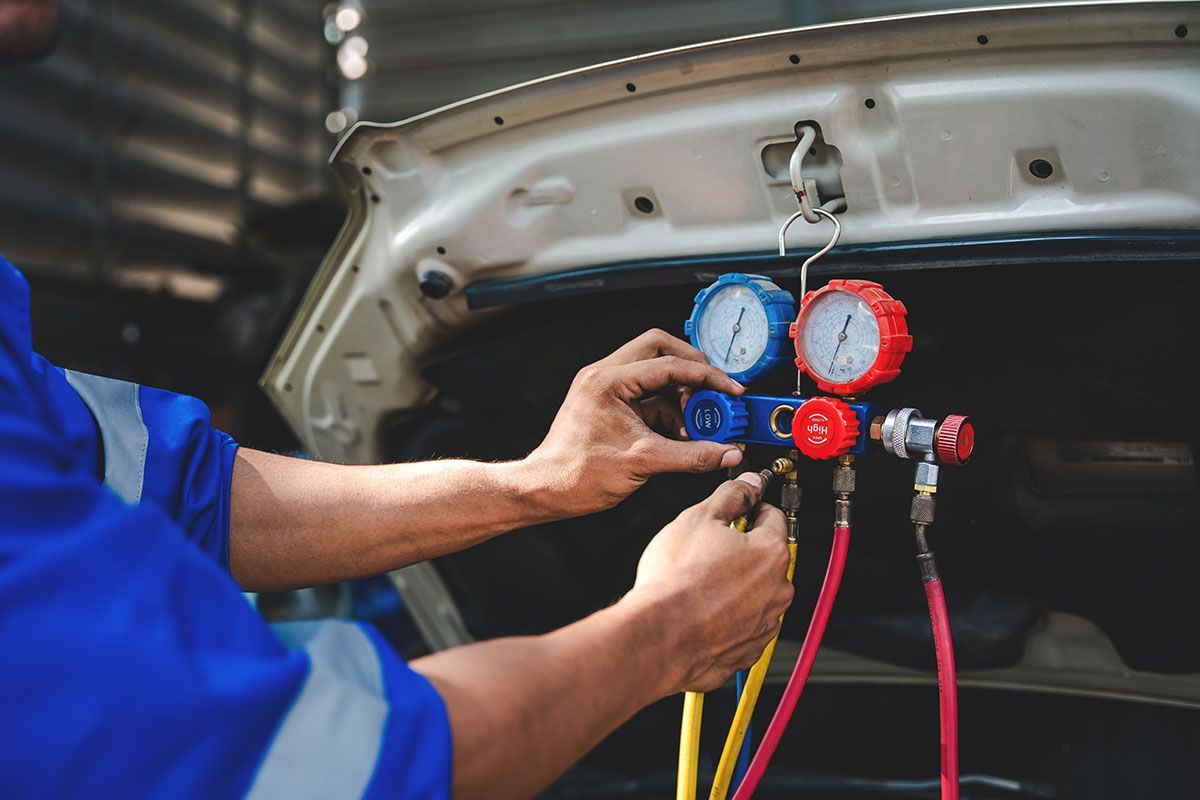
- Pressure testing for leaks
- Thermostat and water pump evaluation
- Cooling fan and electrical inspection
- Hose, belt, cap, and connection inspection
- Engine temperature and warning-light diagnosis
The right repair depends on the cause. A technician may recommend a coolant service, hose replacement, radiator repair, thermostat replacement, fan repair, or another solution. Testing first helps avoid unnecessary parts replacement.
Why choose Ted Wiens Complete Auto Service?
Ted Wiens Complete Auto Service has served Las Vegas drivers since 1948. Our locally owned company provides auto repair, tires, wheels, and maintenance at nine convenient locations throughout the Las Vegas Valley.
For convenient planning, use our online Appointments page. If your vehicle is overheating now, stop driving when safe and contact a repair facility for guidance.
Frequently asked questions about car cooling systems
What does a car radiator do?
A car radiator removes heat from engine coolant. Airflow passes through the radiator fins while coolant circulates through its internal passages, helping maintain a safe engine temperature.
What color should engine coolant be?
Coolant color varies by formula and manufacturer. Color alone does not confirm whether fluid is correct or healthy. Check the owner’s manual or ask a technician before adding coolant.
How much does radiator service cost?
The cost depends on the diagnosis and required repair. A leak, thermostat issue, fan failure, coolant service, or radiator replacement each involves different parts and labor. An inspection provides the most accurate estimate.
Can low coolant cause overheating?
Yes. Low coolant reduces the system’s ability to carry heat away from the engine. It may indicate a leak, evaporation, a failed component, or an internal engine concern that requires testing.
Protect your cooling system before problems grow
Car cooling systems deserve extra attention in Las Vegas because extreme heat, traffic, and long drives increase engine stress. Watch for temperature changes, coolant leaks, steam, unusual odors, and repeated fluid loss. Never ignore an overheating warning or open a hot radiator. If your vehicle shows a cooling-system symptom, arrange a professional inspection before driving farther. Ted Wiens Complete Auto Service can help diagnose radiator, coolant, hose, thermostat, fan, and related auto repair concerns. Schedule Cooling System Services through our appointment page or visit a convenient Las Vegas location .
Schedule Appointments
Timely scheduling of services addresses concerns early, upholds manufacturer standards, and minimizes unforeseen problems.
Ready to Schedule Service?
Routine maintenance and timely repairs play an important role in vehicle safety, reliability, and long-term performance. Scheduling service at the right time helps address concerns early, maintain manufacturer-recommended standards, and reduce the risk of unexpected issues.
Ted Wiens offers consistent service processes across all locations, making it easy to plan maintenance or inspections when your vehicle needs attention. Appointments can be scheduled in advance to fit your schedule and driving needs
If your vehicle is due for service or showing signs of wear, scheduling an appointment helps ensure it receives the appropriate inspection and care.
Latest Posts